Prakash Projects Pvt. Ltd. : Testing & Quality Assurance
In modern engineering and manufacturing industries, quality and reliability form the foundation of every successful product. Components used in sectors such as power generation, oil & gas, automotive, heavy engineering, and infrastructure must meet strict performance and safety standards. Even a minor defect in a critical component can lead to operational failures, financial losses, and serious safety risks.
To prevent such issues and ensure product reliability, Testing and Quality Assurance (QA) play a vital role in the manufacturing process. These processes enable manufacturers to verify that every component meets the required technical specifications, material standards, and performance requirements.
Prakash Projects Pvt. Ltd. places strong emphasis on testing and quality assurance in order to deliver high-performance engineering components that meet customer expectations and international industry standards.
Understanding Testing and Quality Assurance
Testing and Quality Assurance refer to a set of systematic procedures used to evaluate the quality, strength, and performance of manufactured components. These processes help identify potential defects, verify material properties, and ensure that the final product performs as intended.
Quality assurance is not limited to the final inspection stage. Instead, it is a continuous process that begins with raw material inspection and continues throughout manufacturing, machining, heat treatment, and final product inspection.
By implementing strict quality control procedures at every stage, manufacturers can ensure that every product leaving the facility meets the highest quality standards.
Importance of Testing and Quality Assurance in Manufacturing
In industries where components operate under extreme conditions—such as high pressure, heavy loads, and elevated temperatures—maintaining quality becomes extremely important.
Testing and quality assurance help achieve several critical objectives:
Ensuring Product Reliability
Testing ensures that components perform reliably under actual operating conditions, reducing the risk of failure during operation.
Maintaining Safety Standards
Engineers at Prakash Projects use many industrial components in critical systems such as turbines, pipelines, and heavy machinery. Proper testing ensures these components meet essential safety requirements.
Compliance with Industry Standards
Manufacturers must comply with national and international quality standards. Testing verifies that the components meet these regulatory and industry specifications.
Building Customer Confidence
Strict quality assurance processes help build trust and confidence among customers, clients, and business partners.
Reduction of Defects and Rework
Early detection of defects helps minimize rework, reduce material wastage, and avoid production delays.
Types of Testing Used in Engineering Components
To ensure high quality and reliability, manufacturers use various testing methods. Each testing technique helps evaluate specific characteristics of materials or components.
Mechanical Testing
Mechanical testing is used to evaluate the strength and performance of a material. Some common mechanical tests include:
- Tensile Testing
- Impact Testing
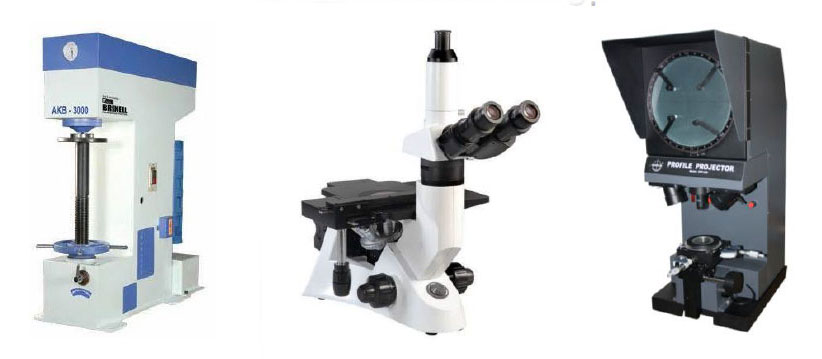
- Hardness Testing
- Bend Testing
These tests help determine mechanical properties such as strength, toughness, ductility, and resistance to deformation.
Non-Destructive Testing (NDT)
Technicians at Prakash Projects use Non-Destructive Testing (NDT) to detect internal or surface defects without damaging the component. They widely apply this method in industries where component integrity is critical.
Common NDT methods include:
- Ultrasonic Testing (UT)
- Magnetic Particle Testing (MPT)
- Dye Penetrant Testing (DPT)
These techniques help identify defects that may not be visible to the naked eye.
Dimensional Inspection
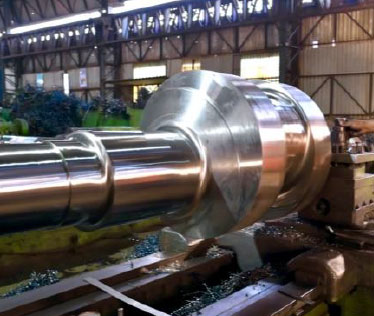
Dimensional inspection ensures that components meet design specifications and required tolerances. Precision measuring instruments are used to check the size, shape, and alignment of components.
Common tools used include:
- Vernier Calipers
- Micrometers
- Height Gauges
Chemical Analysis
Chemical testing is performed to verify the composition of the material. This ensures that the material grade meets the specified standards and contains the correct proportion of alloying elements.
Microstructure Examination
Metallurgical testing is used to analyze the internal grain structure of metals. This helps verify whether the material has achieved the desired properties after processes such as forging or heat treatment.
Quality Assurance Throughout the Manufacturing Process
We do not limit quality assurance to final product testing. Instead, they integrate it into every stage of the manufacturing process.
Raw Material Inspection
The first step in quality assurance is verifying the quality of raw materials. Material certificates and chemical compositions are checked to ensure compliance with specifications.
Process Monitoring
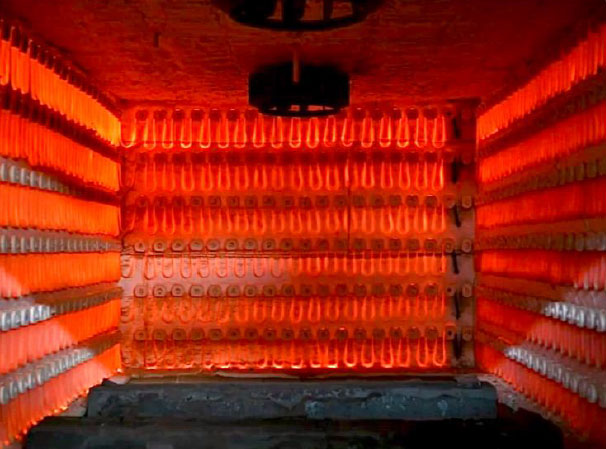
During manufacturing processes such as forging, machining, and heat treatment, strict monitoring ensures that parameters such as temperature, pressure, and dimensions remain within acceptable limits.
In-Process Inspection
Intermediate inspections are carried out during production to detect potential issues at an early stage.
Final Inspection
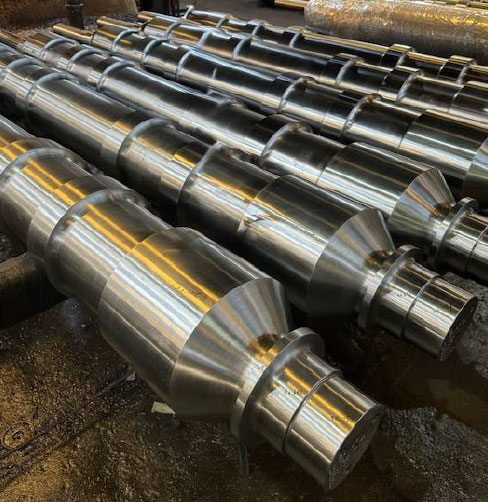
Before delivery, the finished components undergo final inspection to ensure they meet all technical and quality requirements.
Role of Advanced Testing Equipment
Modern manufacturing facilities use advanced testing and inspection equipment to ensure accurate and reliable results. Digital measuring systems, automated inspection tools, and computerized testing equipment significantly improve the accuracy and efficiency of quality control processes.
These technologies also help maintain detailed quality records and ensure complete traceability for every component produced.
Commitment of Prakash Projects Pvt. Ltd.
Prakash Projects Pvt. Ltd. is committed to maintaining the highest standards of quality and reliability in its engineering products. The company follows strict quality assurance procedures throughout the manufacturing process, from raw material selection to final product inspection.
By using advanced testing methods and modern inspection techniques, the company ensures that every component meets the required technical specifications and industry standards. This dedication to quality, precision, and customer satisfaction has helped Prakash Projects Pvt. Ltd. establish itself as a trusted name in the engineering and manufacturing sector.
Conclusion
Testing and Quality Assurance are essential pillars of modern manufacturing. They ensure that engineering components are strong, reliable, and capable of performing under demanding operational conditions.
From mechanical testing and non-destructive inspection to dimensional verification and chemical analysis, these processes help maintain the highest standards of product quality.
With its strong commitment to quality, innovation, and precision engineering, Prakash Projects Pvt. Ltd. continues to deliver dependable and high-performance engineering solutions for various industrial sectors. By prioritizing testing and quality assurance, the company ensures that its products meet the expectations of modern industries and contribute to safe and efficient operations.