Prakash Projects Pvt. Ltd. : Reliable Engineering Components
In modern engineering and manufacturing industries, the quality and performance of metal components depend largely on the science of Metallurgy. Metallurgy plays a crucial role in determining the strength, durability, and reliability of materials used in engineering components in heavy engineering applications. Industries such as power generation, oil & gas, automotive, aerospace, and infrastructure rely on metallurgical expertise to produce components capable of withstanding demanding operating conditions.
Prakash Projects Pvt. Ltd. understands the importance of metallurgical knowledge in the manufacturing of high-performance engineering components. By applying advanced metallurgical principles and modern manufacturing techniques, the company ensures that its products meet the highest quality standards and deliver reliable performance in critical industrial applications.
What is Metallurgy?
Metallurgy is the branch of science and engineering that deals with the study of metals and their properties. It involves understanding how metals behave under different conditions, how they can be processed, and how their internal structure affects their strength and performance.
Metallurgy includes several processes such as metal extraction, alloy development, heat treatment, and material testing. Through these processes, engineers can modify the structure of metals to improve properties such as hardness, toughness, corrosion resistance, and durability.
In manufacturing industries, metallurgy helps ensure that the right material is selected and processed correctly to achieve the desired performance.
Importance of Metallurgy in Engineering
Metallurgy plays a vital role in modern industrial manufacturing. Without proper metallurgical knowledge, it would be difficult to produce reliable and high-strength components required in heavy engineering sectors.
Material Selection
One of the most important aspects of metallurgy is selecting the correct material for a specific application. Different metals and alloys have different properties, and selecting the right material ensures optimal performance and safety.
Improving Mechanical Properties
Through metallurgical processes such as heat treatment and alloying, the mechanical properties of metals can be significantly improved. This helps increase strength, hardness, and resistance to wear.
Enhancing Durability
Proper metallurgical processing helps improve the durability and service life of engineering components, especially those exposed to heavy loads or harsh environments.
Preventing Material Failures
Metallurgical analysis helps identify potential defects or weaknesses in materials. This reduces the risk of component failure during operation.
Types of Metallurgy
Metallurgy is generally divided into two main categories depending on the type of metal being studied.
Ferrous Metallurgy
Ferrous metallurgy deals with metals that contain iron as the primary element. This includes materials such as:
- Carbon Steel
- Alloy Steel
- Stainless Steel
These materials are widely used in heavy engineering, construction, automotive, and machinery manufacturing due to their high strength and durability.
Non-Ferrous Metallurgy
Non-ferrous metallurgy involves metals that do not contain iron. Some common examples include:
- Aluminum
- Copper
- Nickel
- Titanium
Engineers at Prakash Projects often use these metals in industries where they require lightweight materials or corrosion resistance.
Role of Metallurgy in Manufacturing Processes
Metallurgy plays a significant role in several manufacturing processes used in engineering industries.
Forging
Manufacturers shape metal through compressive forces during the forging process. Metallurgical knowledge ensures that they improve the metal’s grain structure during forging, resulting in stronger and more durable components.
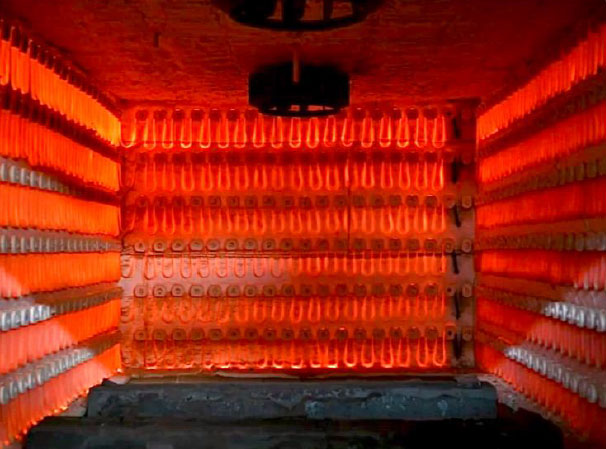
Heat Treatment
Heat treatment processes such as annealing, normalizing, quenching, and tempering are used to modify the internal structure of metals. These processes help achieve the required mechanical properties for specific applications.
Machining
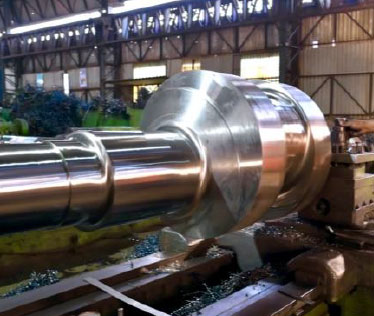
Metallurgical properties of a material affect its machinability. Proper understanding of metallurgy helps engineers choose the correct cutting parameters and tools during CNC machining.
Welding
Metallurgy also plays an important role in welding processes by ensuring compatibility between materials and preventing defects such as cracks or weak joints.
Metallurgical Testing and Analysis
We conduct various metallurgical tests during production to ensure the quality and reliability of metal components.
Chemical Composition Analysis
We perform chemical testing to verify that the material contains the correct proportion of alloying elements according to specified standards.
Microstructure Examination
Engineers at Prakash Projects use metallographic analysis to study the internal grain structure of metals under a microscope.This helps engineers understand how manufacturing processes affect material properties.
Mechanical Testing
We carry out mechanical tests such as tensile testing, hardness testing, and impact testing to evaluate the strength and toughness of the material.
Failure Analysis
In case of material failure, metallurgical analysis helps identify the root cause and prevent similar issues in the future.
Importance of Metallurgy in Heavy Engineering
In heavy engineering industries, components often operate under extreme working conditions such as high stress, temperature fluctuations, and corrosive environments. Metallurgy helps ensure that materials used in such applications are capable of withstanding these conditions without failure.
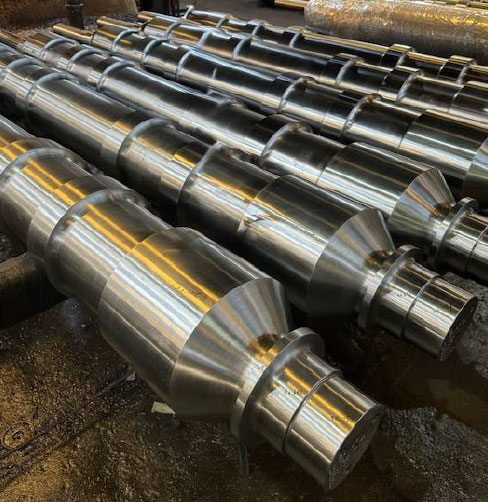
For example, turbine shafts, industrial rollers, pressure vessels, and structural components must be manufactured using materials with carefully controlled metallurgical properties.
By understanding the behavior of metals at the microscopic level, engineers can design components that offer maximum reliability and performance.
Commitment of Prakash Projects Pvt. Ltd.
Prakash Projects Pvt. Ltd. is committed to maintaining the highest standards of material quality and metallurgical excellence. The company follows strict material selection procedures and advanced metallurgical practices to ensure that every component meets the required technical specifications.
By integrating metallurgical expertise with modern manufacturing technologies such as forging, heat treatment, and CNC machining, Prakash Projects Pvt. Ltd. ensures the production of durable and high-performance engineering components.
The company’s focus on quality, innovation, and technical expertise allows it to serve industries that demand reliability and precision.
Conclusion
Metallurgy forms the backbone of modern engineering and manufacturing industries. It provides the scientific foundation required to understand, process, and improve the properties of metals used in industrial applications.
From material selection and alloy development to heat treatment and testing, metallurgy plays a critical role in ensuring the strength, durability, and reliability of engineering components.
With a strong commitment to quality, innovation, and metallurgical excellence, Prakash Projects Pvt. Ltd. continues to deliver high-quality engineering solutions that support the growth and advancement of modern industries.