Prakash Projects Pvt. Ltd. : Radial Forging Technology
In today’s rapidly evolving industrial landscape, manufacturing technologies are continuously advancing to meet the growing demand for stronger, more reliable, and high-precision metal components. Industries such as power generation, oil & gas, heavy engineering, automotive, and aerospace require components that can withstand extreme pressure, temperature, and mechanical stress. To meet these requirements, advanced forging techniques have become essential. One such highly efficient and modern metal forming process is Radial Forging Technology.
This innovative forging method has transformed the way high-strength shafts, bars, and specialized components are produced. By combining precision engineering with controlled metal deformation, radial forging allows manufacturers to achieve superior product quality, improved mechanical properties, and greater manufacturing efficiency.
Companies like Prakash Projects Pvt. Ltd. are actively contributing to the advancement of the forging industry by adopting modern technologies and maintaining strict quality standards. With a focus on precision manufacturing and engineering excellence, the use of advanced forging techniques such as radial forging plays a vital role in delivering high-performance industrial components.
Understanding Radial Forging Technology
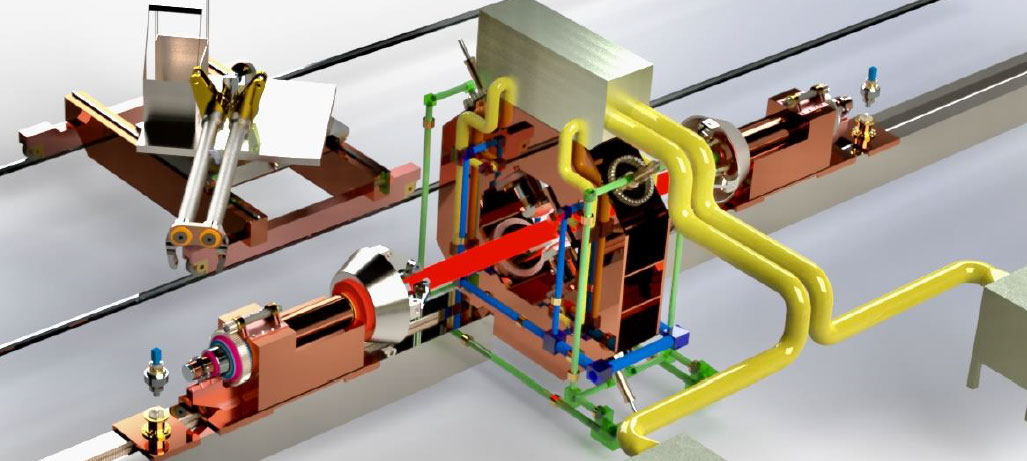
Radial forging is a sophisticated metal forming process in which a cylindrical workpiece is forged by multiple hammers or dies that strike the material radially from different directions. Typically, four forging dies compress the metal simultaneously while the workpiece rotates and moves forward through the machine.
Unlike traditional forging methods that apply force from one or two directions, radial forging compresses the material from multiple sides. This multi-directional forging action results in uniform deformation throughout the workpiece, improving its internal structure and mechanical strength.
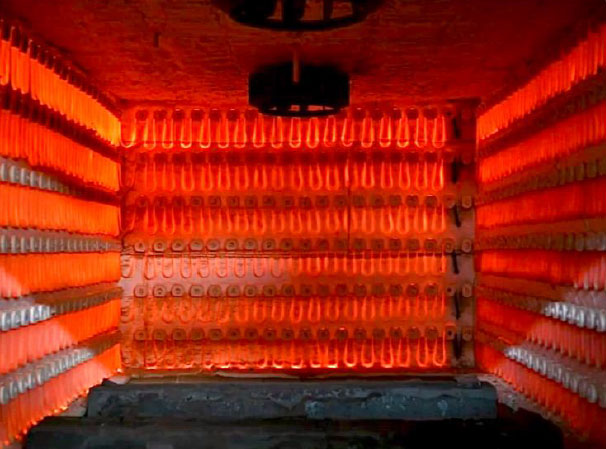
The process usually involves heating the metal billet or ingot to a specific temperature and then feeding it into a radial forging machine. The forging hammers apply repeated compressive forces while the material is gradually shaped into the desired diameter and length.
Because of the controlled deformation and rotation of the workpiece, radial forging produces long, straight, and highly uniform components with excellent structural integrity.
Key Features of Radial Forging
This technology offers several unique features that make it highly suitable for producing precision-engineered components.
1. Multi-Directional Compression
One of the defining characteristics of radial forging is that the material is compressed from multiple directions simultaneously. This helps maintain uniform grain flow throughout the component, significantly improving its mechanical strength.
2. Continuous Material Flow
The rotational movement of the workpiece during forging ensures smooth and continuous deformation. This helps eliminate internal defects and enhances the metallurgical structure of the forged component.
3. Precision Dimensional Control
Radial forging machines are designed to provide precise control over the diameter and length of the workpiece. This results in components with high dimensional accuracy and minimal variation.
4. Efficient Production Process
Because radial forging can produce near-net-shape components, the amount of machining required after forging is significantly reduced. This leads to faster production cycles and improved manufacturing efficiency.
Advantages of Radial Forging Technology
It has become a preferred manufacturing method for many industries because of its numerous benefits.
Superior Mechanical Strength
The repeated compressive forces applied during the forging process refine the grain structure of the metal. This improves strength, toughness, and fatigue resistance, making the forged components suitable for demanding industrial applications.
Improved Surface Finish
Components produced through radial forging typically have a smoother surface compared to those manufactured by conventional forging methods. This reduces the need for additional finishing operations.
Reduced Material Waste
It allows precise shaping of the workpiece, minimizing excess material removal during machining. This helps reduce material waste and improves overall cost efficiency.
Consistent Product Quality
Because the forging process is controlled and repeatable, manufacturers can produce components with consistent quality and reliable performance.
Capability to Forge Complex Components
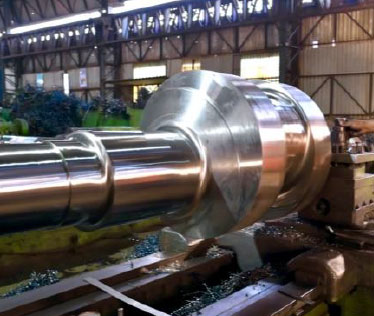
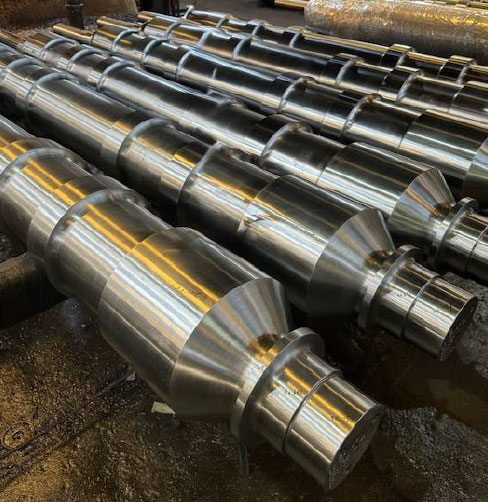
It is particularly suitable for producing long shafts, stepped shafts, hollow bars, and special profile components that require high dimensional precision.
Applications of Radial Forging in Modern Industries
This technology plays a critical role in manufacturing components used in various industrial sectors.
Power Generation Industry
In power plants, components such as turbine shafts, generator shafts, and rotor shafts require high strength and dimensional accuracy. Radial forging ensures these components meet the demanding performance standards required in energy generation systems.
Oil and Gas Industry
The oil and gas sector relies heavily on high-strength metal components that can withstand extreme pressure and harsh environments. Radial forging is commonly used to manufacture drill rods, drill collars, and other critical drilling equipment.
Automotive Industry
The automotive sector requires durable and lightweight components for transmissions, drive shafts, and axle systems. It improves the mechanical properties of these parts while maintaining precise dimensional control.
Aerospace and Defense
In aerospace and defense applications, components must meet strict safety and performance requirements. It is used to produce high-strength parts that are capable of performing under extreme operating conditions.
Heavy Engineering and Industrial Machinery
Heavy machinery used in industries such as mining, construction, and manufacturing often requires large and strong forged components. Radial forging provides the strength and reliability needed for these demanding applications.
The Role of Technology and Expertise
The success of radial forging not only depends on advanced machinery but also on the expertise of engineers and metallurgists involved in the manufacturing process. Careful control of parameters such as forging temperature, deformation rate, and material composition is essential to achieve optimal results.
Manufacturers must also maintain strict quality control procedures, including material inspection, dimensional checks, and mechanical testing. These steps ensure that the forged components meet the required standards and perform reliably in real-world applications.
Commitment of Prakash Projects Pvt. Ltd.
Prakash Projects Pvt. Ltd. has built a strong reputation in the engineering and manufacturing sector by focusing on innovation, quality, and customer satisfaction. By adopting advanced manufacturing processes and modern engineering techniques, the company is able to deliver high-quality forged components that meet the needs of various industries.
Through continuous improvement and technological advancement, Prakash Projects Pvt. Ltd. aims to provide reliable and durable forging solutions that support the growth of industrial infrastructure. The adoption of modern forging technologies reflects the company’s commitment to precision engineering and manufacturing excellence.
Future of Radial Forging Technology
As industries continue to evolve, the demand for high-performance materials and precision components will continue to grow. This technology is expected to play an increasingly important role in meeting these demands.
Advancements in automation, process control, and material science are further improving the capabilities of radial forging machines. These developments allow manufacturers to produce components with even greater accuracy, strength, and efficiency.
With the growing focus on sustainability and resource optimization, radial forging also offers advantages in terms of reduced material waste and improved production efficiency.
Conclusion
Radial forging technology represents a major advancement in modern metal forming processes. By applying controlled multi-directional compression, this forging method enhances the strength, durability, and dimensional accuracy of metal components.
Its ability to produce high-quality shafts, bars, and precision components makes it an essential manufacturing technique for industries such as power generation, oil & gas, automotive, aerospace, and heavy engineering.
With its commitment to technological innovation and engineering excellence, Prakash Projects Pvt. Ltd. continues to support industrial growth by delivering reliable forged solutions that meet the highest quality standards. As manufacturing technologies evolve, radial forging will remain a key process in producing the high-performance components required for the industries of tomorrow.