Prakash Projects Pvt. Ltd. : Heat Treatment
In modern engineering and manufacturing industries, the quality and reliability of metal components play a critical role in ensuring the performance and safety of industrial equipment. Engineers design components used in sectors such as power generation, oil & gas, heavy engineering, automotive, and aerospace to operate under extreme conditions, including high pressure, heavy loads, and elevated temperatures. To meet these demanding requirements, manufacturers rely on a crucial metallurgical process known as Heat Treatment. It is one of the most important processes used to improve the mechanical properties of metals, including hardness, strength, toughness, and wear resistance.
Companies like Prakash Projects Pvt. Ltd. recognize the importance of advanced metallurgical processes in delivering high-quality engineered components. By incorporating proper heat treatment practices, manufacturers can ensure that metal parts achieve the required performance standards and long service life.
What is Heat Treatment?
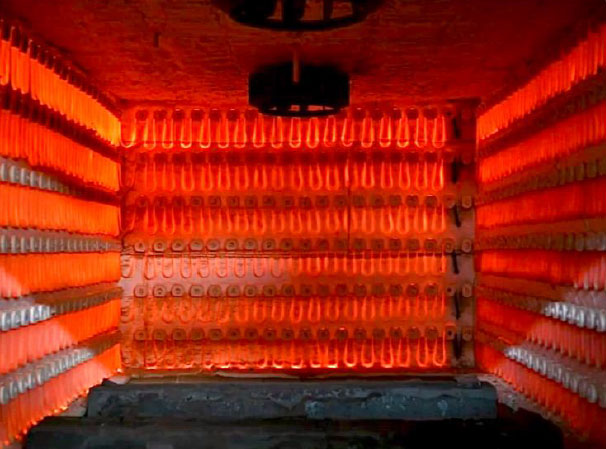
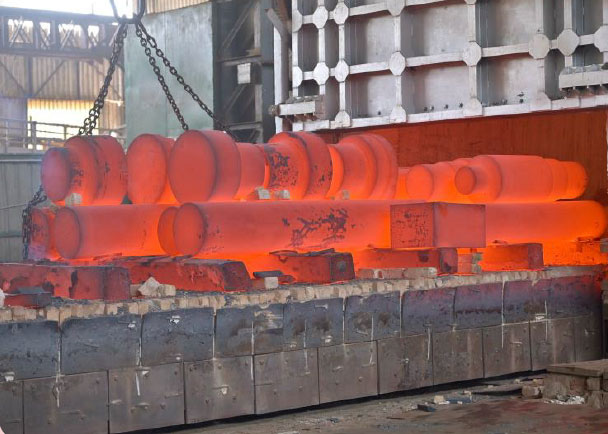
Heat treatment is a controlled process in which metals or alloys are heated to a specific temperature, held at that temperature for a certain period of time, and then cooled at a controlled rate. This process alters the internal structure of the material without changing its shape.
The primary goal of heat treatment is to modify the microstructure of the metal, which directly influences its mechanical properties. By carefully controlling heating and cooling conditions, manufacturers can improve characteristics such as hardness, strength, ductility, toughness, and resistance to wear or corrosion.
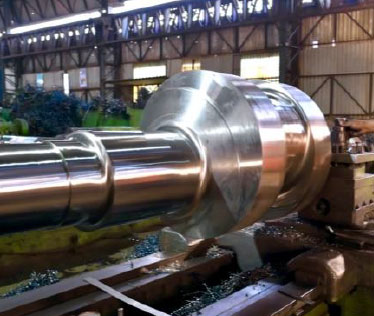
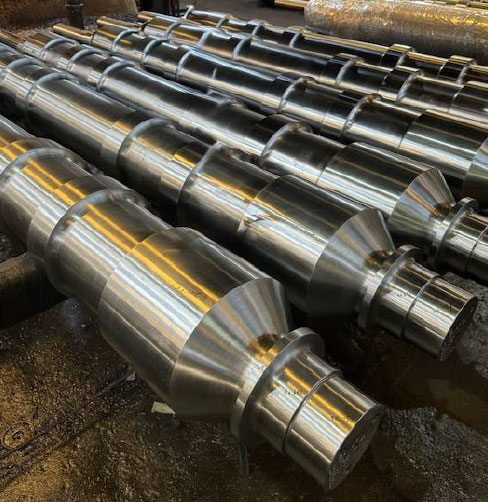
It is widely used in the production of forged components, shafts, gears, machine parts, and heavy engineering equipment.
Importance of Heat Treatment in the Manufacturing Industry
In many industrial applications, raw metal or forged components alone may not have the required mechanical properties for final use. It helps transform these materials into high-performance components capable of handling demanding operational conditions.
Some of the major benefits of heat treatment include:
Improved Mechanical Strength
Heat treatment refines the internal grain structure of metals, making them stronger and more capable of withstanding heavy loads and stresses.
Increased Hardness
Certain heat treatment processes significantly increase the hardness of metals, which is essential for components that experience friction and wear during operation.
Enhanced Toughness
Toughness refers to the ability of a material to absorb energy without fracturing. Proper heat treatment ensures that metal components maintain a balance between hardness and toughness.
Better Wear Resistance
Components such as gears, shafts, and industrial tools often face continuous friction. It improves the resistance of these parts to wear and surface damage.
Improved Reliability and Service Life
By enhancing mechanical properties, heat treatment helps extend the lifespan of metal components and reduces the risk of premature failure.
Common Heat Treatment Processes
Several types of heat treatment processes are used depending on the material type and the desired properties. Some of the most commonly used methods include:
Annealing
Annealing involves heating the metal to a specific temperature and then cooling it slowly. This process softens the material, improves machinability, and relieves internal stresses developed during forging or machining.
Annealing is often used to prepare metal components for further processing or shaping.
Normalizing
Normalizing is a heat treatment process in which steel is heated above its critical temperature and then cooled in air. This process refines the grain structure and improves the uniformity of mechanical properties throughout the material.
Normalizing is commonly used for forged components to achieve better strength and structural consistency.
Quenching
Quenching involves heating the metal to a high temperature and then rapidly cooling it using water, oil, or another cooling medium. This process increases hardness and strength but may also make the material brittle if not properly controlled.
Tempering
Technicians at Prakash Projects usually perform tempering after quenching. In this process, they reheat the hardened metal to a lower temperature and then cool it again. Tempering reduces brittleness while maintaining the desired hardness and strength.
Case Hardening
Engineers at Prakash Projects use case hardening as a specialized heat treatment process to harden the outer surface of a component while keeping the core relatively soft and tough. They commonly apply this process to gears, shafts, and machine parts that require a hard surface for wear resistance.
Applications of Heat Treatment in Various Industries
Manufacturers at Prakash Projects widely use heat treatment across multiple industries where high-performance metal components are required.
Power Generation Industry
In power plants, components such as turbine shafts, rotors, and heavy structural parts require high strength and resistance to thermal stress. Heat treatment ensures these parts perform reliably under continuous operation.
Oil and Gas Industry
Drilling equipment, pressure vessels, and pipelines in the oil and gas sector operate in extremely harsh environments. It improves the strength and durability of these critical components.
Automotive Industry
Automotive components such as crankshafts, camshafts, gears, and axles require high wear resistance and mechanical strength. It plays a vital role in achieving these properties.
Heavy Engineering
Industrial machinery used in mining, construction, and manufacturing requires durable components capable of withstanding heavy loads and impact forces. Heat-treated metals provide the required reliability and performance.
Aerospace and Defense
In aerospace and defense industries, safety and reliability are of utmost importance. Heat treatment ensures that metal components meet strict quality and performance standards.
Quality Control in Heat Treatment
Heat treatment is a highly controlled process that requires precise monitoring of temperature, time, and cooling conditions. Even small variations in these parameters can significantly affect the properties of the material.
Manufacturers typically use advanced equipment such as controlled atmosphere furnaces, temperature monitoring systems, and metallurgical testing methods to ensure consistent quality.
Quality checks may include:
- Hardness testing
- Microstructure analysis
- Mechanical property testing
- Dimensional inspection
These measures help ensure that the heat-treated components meet the required industry standards and specifications.
Commitment of Prakash Projects Pvt. Ltd.
Prakash Projects Pvt. Ltd. delivers high-quality engineering solutions through advanced manufacturing practices and strict quality control procedures. By utilizing proper metallurgical processes such as heat treatment, the company ensures that its components achieve the strength, durability, and reliability required for demanding industrial applications.
The company’s commitment to quality, innovation, and precision engineering enables it to meet the evolving needs of modern industries. Through continuous improvement and technological adoption, Prakash Projects Pvt. Ltd. continues to contribute to the development of high-performance industrial infrastructure.
Conclusion
Heat treatment is an essential process in modern metallurgy and manufacturing. By carefully controlling heating and cooling conditions, manufacturers can significantly enhance the mechanical properties of metal components.
From improving hardness and strength to increasing wear resistance and durability, it plays a critical role in ensuring that industrial components perform efficiently and reliably in demanding environments.
With a strong focus on quality, engineering excellence, and technological advancement, Prakash Projects Pvt. Ltd. continues to deliver high-performance solutions that support industries across multiple sectors. As manufacturing technologies continue to evolve, it will remain a vital process in producing durable and reliable metal components for the future.